The Mind is a Muscle

As philosopher and media theorist Marshall McLuhan is most famous for saying, the medium is the message, and the staggering dearth of positive intellectual, moral and spiritual outcomes on so-called “Christian” social media and podcasts, evident to all but the degenerates thriving on these platforms, condemns the message of 21st-century Evangelicalism. You may think “degenerates” a bit extreme, but I will not walk that back an inch. Evangelical media has wholly given itself to defending tribal politics over the most basic tenets of traditional Christian ethics, and there is not an antinomian end, nor obvious cruelty, that its most popular personalities will not rationalize to their audience. The zeitgeist of American Christianity is inextricably intertwined with online mediums that reward banality.
There are specific examples I would draw from, but we have become so polarized as a people that there is nothing I can show, no matter how obviously repugnant and regardless of what tribe it comes from, that would not result in a significant portion of readership tuning out. There is no doubt that, after reading the above paragraph, you made a mental list of personalities whom you believe fit the bill, but I want you to self-examine. I want you to question your own intentions and your natural inclination to assume your own innate goodness, and ask yourself, “Have I allowed the machinations of a medium serving the collective brain-rot of an increasingly dysfunctional society to draw me away from the narrow gate?” There is no personal judgement in that question; even I, someone who has spent years writing about this degradation of Evangelical communication, cannot answer the question in the negative, wretched man that I am.
The answer is quite simple, though painful in application, as most effective treatments are. What would you tell someone addicted to cigarettes? Would you tell them they’ll be fine if they cut down from two packs a day to one, or would you tell them to develop healthy habits that counteract the addiction? Online media has a measurable negative cognitive impact. This analogy is not a stretch by any means.
The fresh air and exercise of the mind is good books—not books that have been dumbed down to our nation’s eighth-grade reading level, nor books of highly-selective resourcing to convince you of the author’s heavily biased agenda, both of which are part and parcel of the Evangelical publishing industry. If you’ve been a chain-smoking couch potato for years, you wouldn’t be fool enough to try to run a marathon tomorrow, or even a 5k. Likewise, the brain is a muscle that needs training. If you care enough about the state of Christianity in America to embroil yourself in the weekly drama of social media and podcasts—if you’ve made it through this piece, thus far—buy a real academic book on Christianity and slog your way through it. I don’t mean the Evangelical book of the month, which is little more than a podcast in print. Read a real academic book, the kind written by someone who has spent years studying a very particular subject, and proves it to you by his copious footnotes. Then pick up another one, and another. Over time, you will find you can not only run a mental 5k, but that you’re inching closer to the marathon.
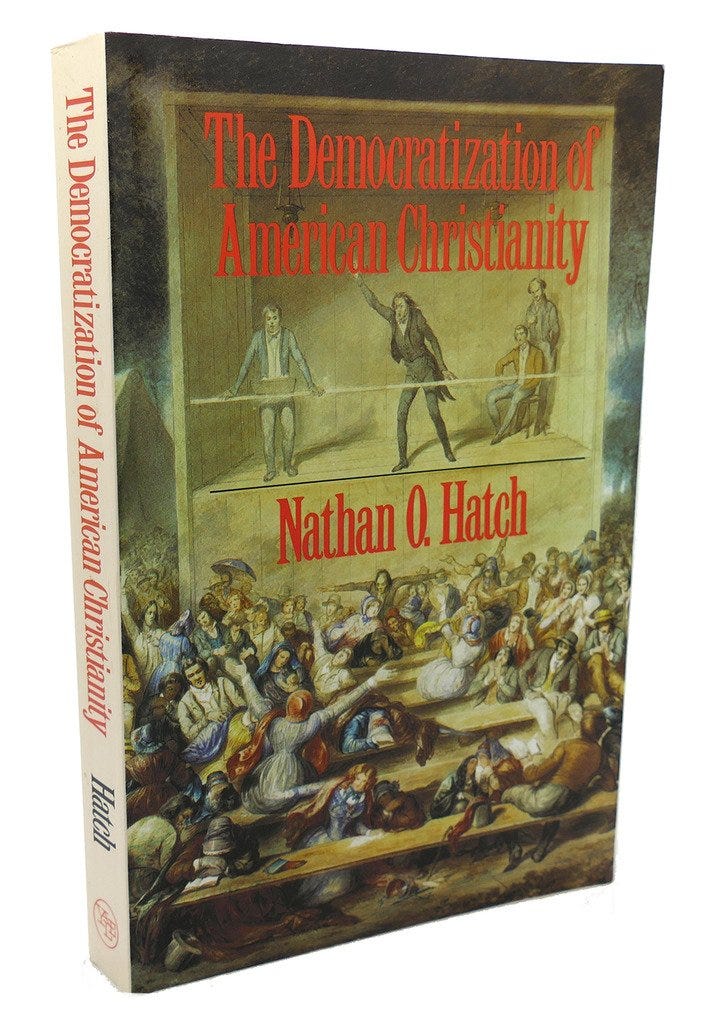
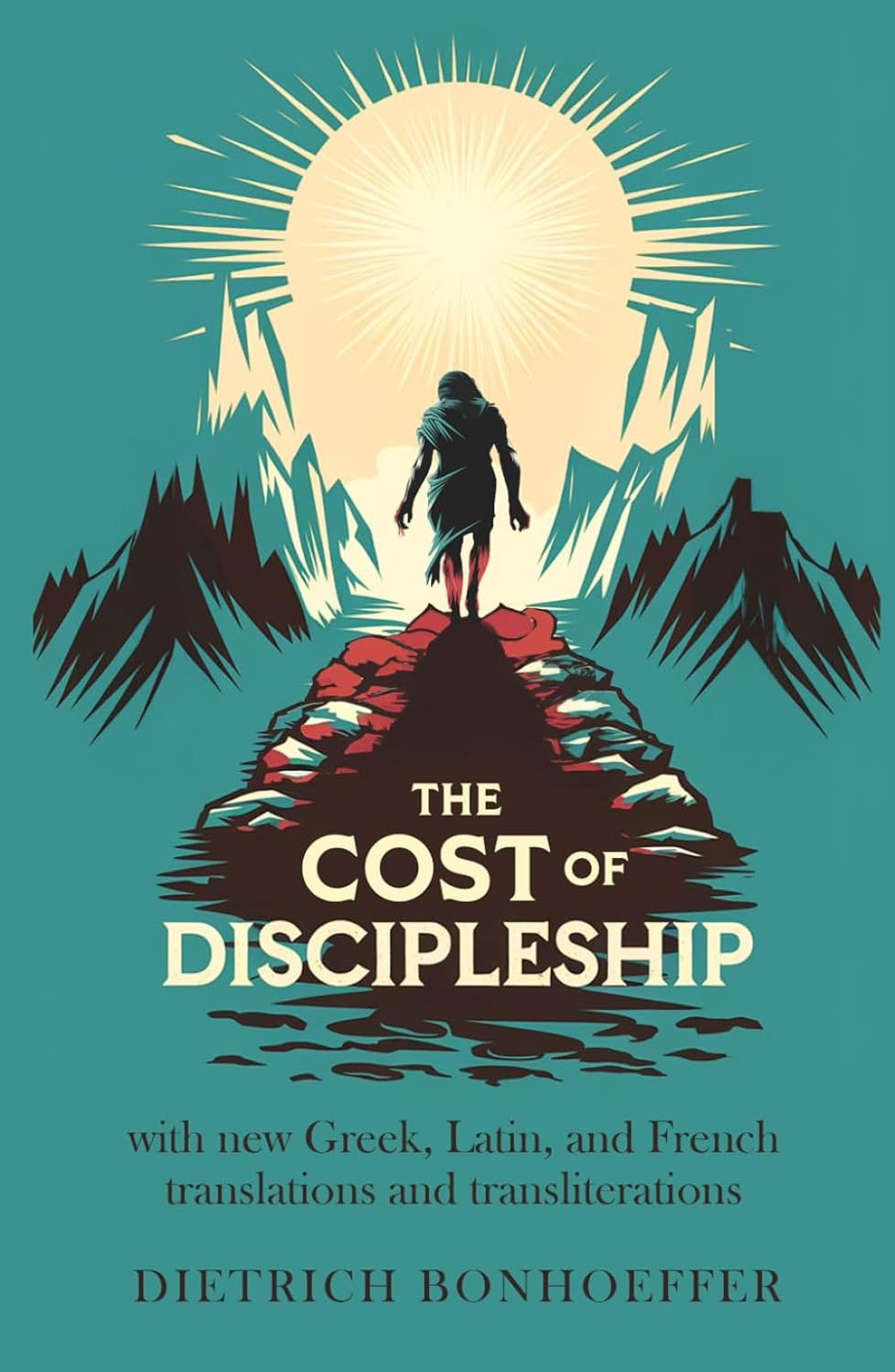
I guarantee you that a side-effect of your treatment will be an increasing disdain for, and distrust of, the commentators serving a diet of mental junk food, comprised of subjective political beliefs rebranded as soteriological imperatives. Here are a few books I recommend as a starting point: